Charleston Wedding Photographer
Christopher CookLowcountry weddings, photographed like every detail is the point.
When to marry here
Spring and fall are the seasons Charleston couples compete for. March through May brings mild days and the azaleas; October and November bring drier air and long, low light. Both fill early, which is why most couples book twelve to eighteen months out.
Summer is hot and heavy, and the afternoon thunderstorms tend to arrive, empty out and leave within the hour. Hurricane season runs June through November, so a covered plan is not optional. Winter is the underrated one: cool, quiet, the light low all day, and nobody fighting you for the good corners downtown.
Plan the day around sunset
Lowcountry light is soft and wet. The humidity diffuses it, the marsh throws it back, and the last hour before sunset turns everything gold. Sunset lands around 8:30 in late June and around 5:15 in early December, so the right ceremony time moves a lot across the year.
I work back from it with your planner: a ceremony early enough that the twenty minutes of portraits fall in that last soft hour, and you are back at cocktail hour while the light is still doing the work. If a storm rolls through, we wait it out under a piazza. Wet streets photograph beautifully anyway.
Where the portraits happen
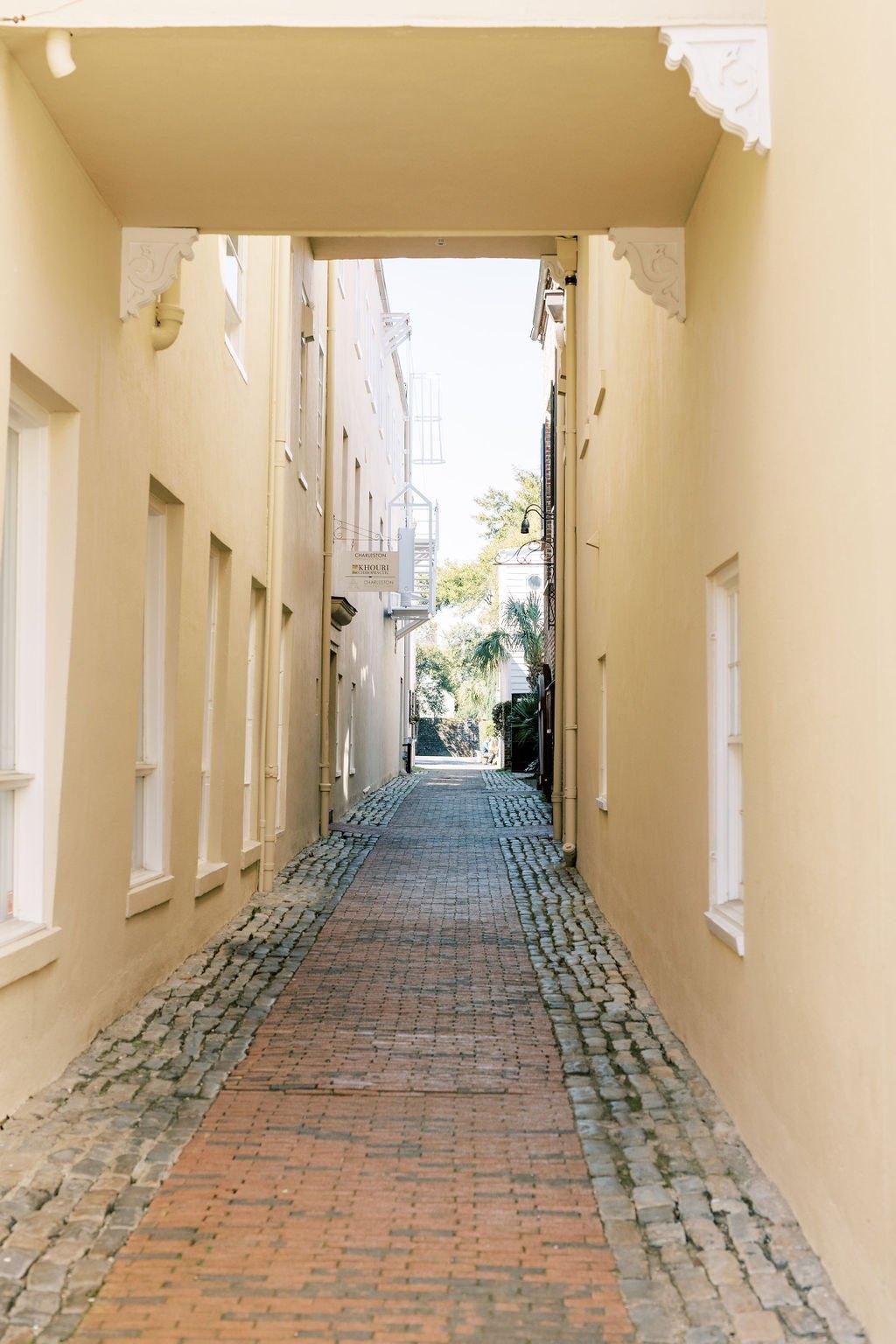
Downtown is built for portraits: painted row houses, iron gates, piazzas, cobblestones and narrow alleys, all a short walk apart. Rainbow Row, the Battery and White Point Garden, and Chalmers Street are the classics. They are also busy by midday, so we go early or late.
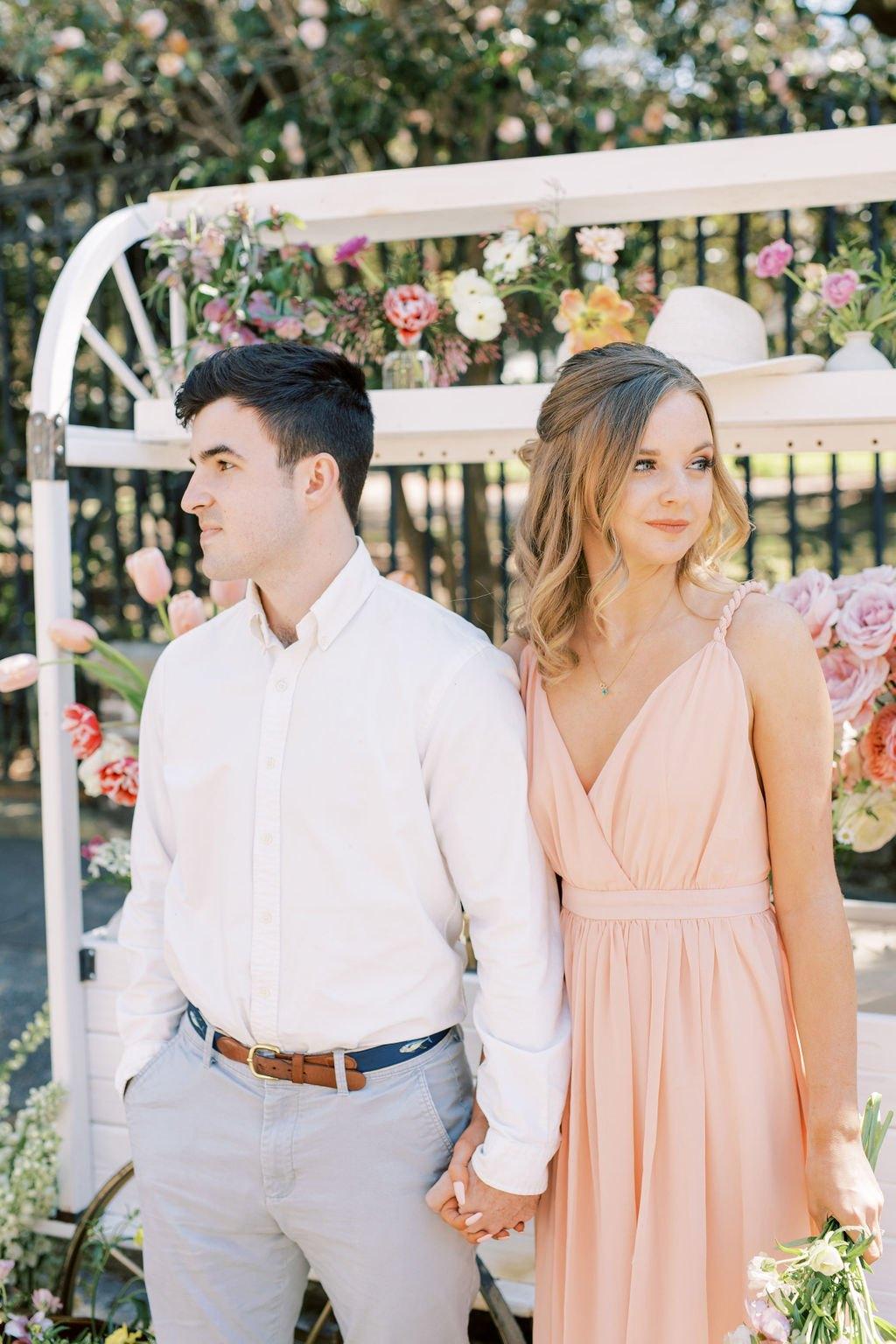
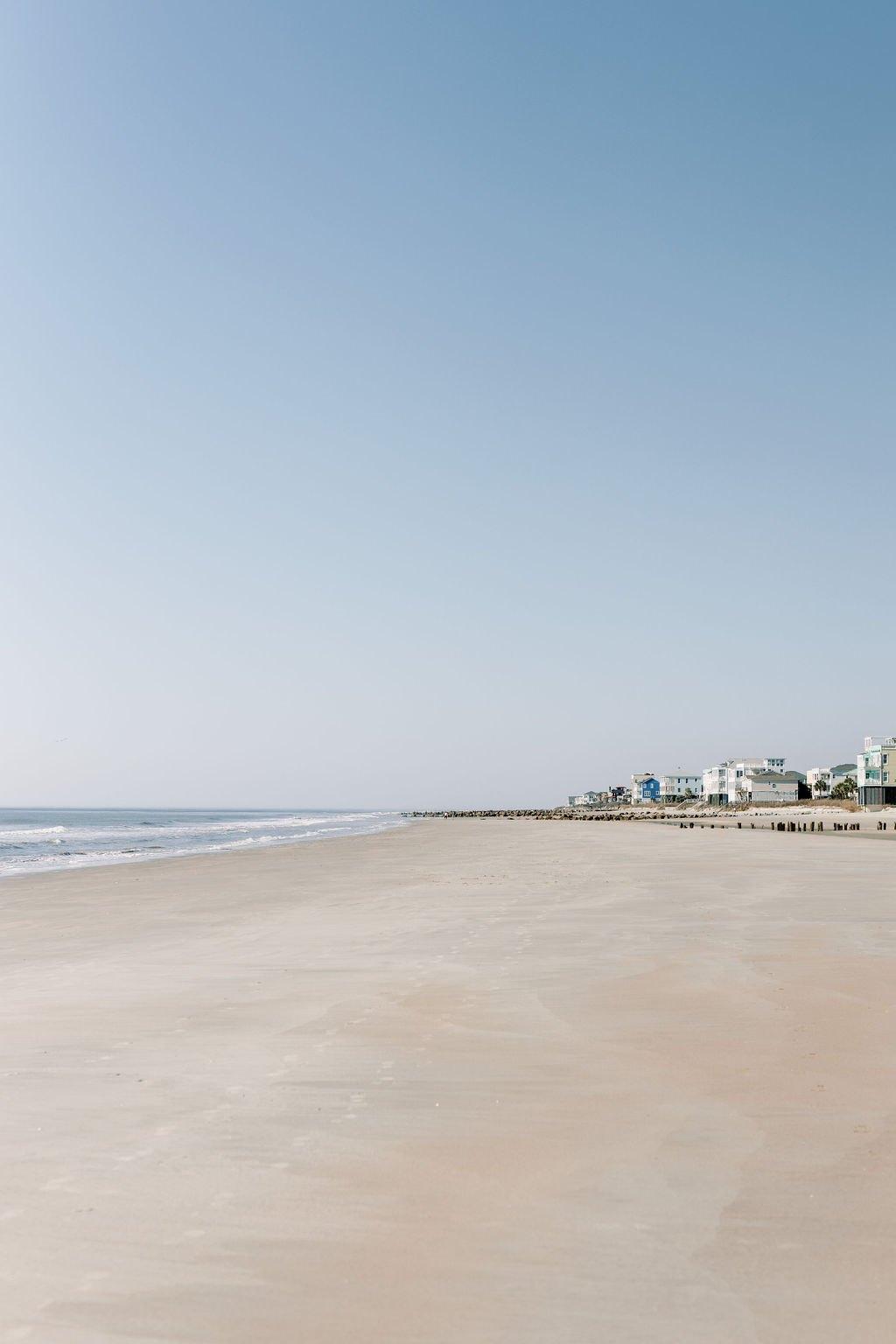
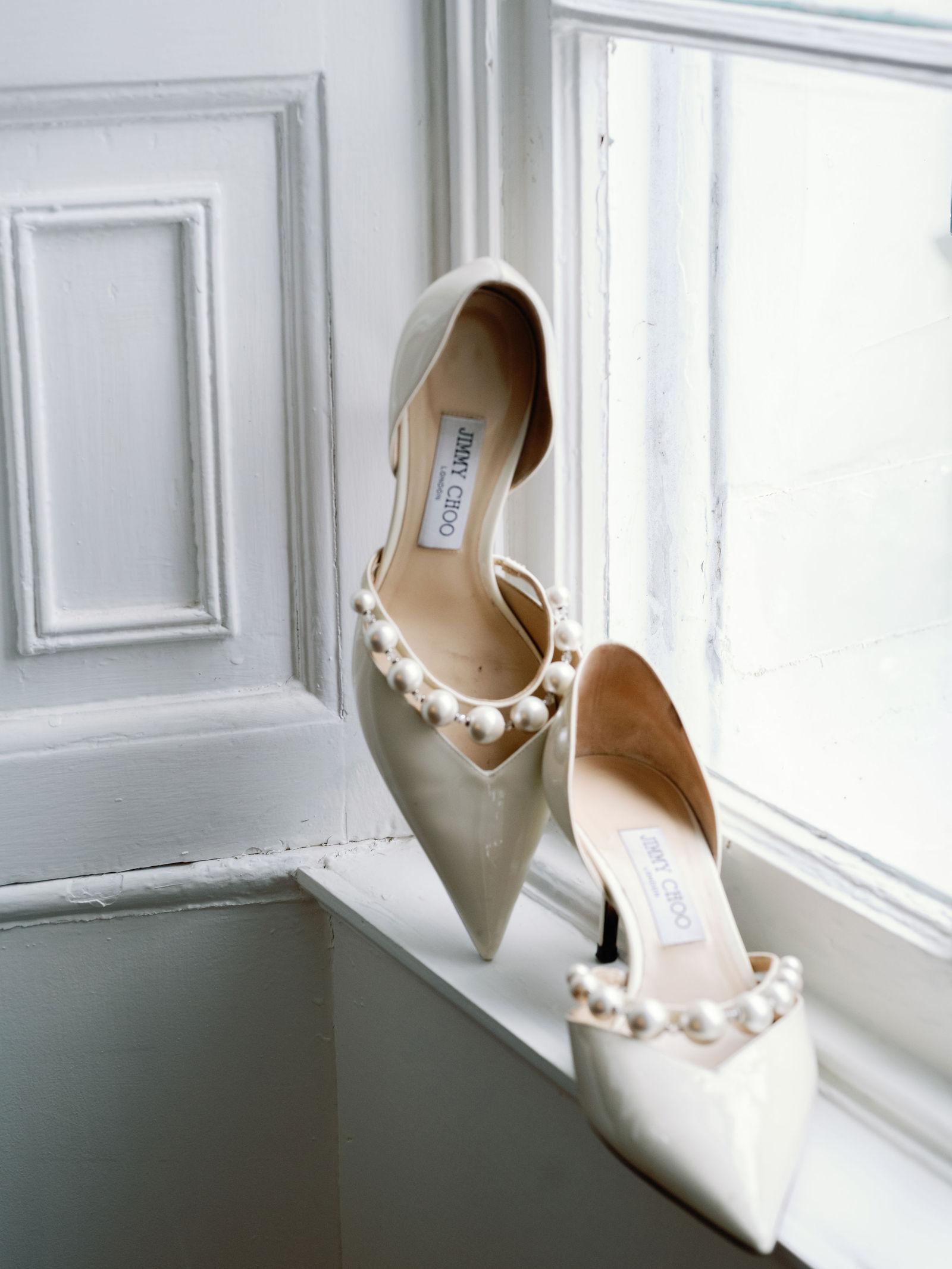
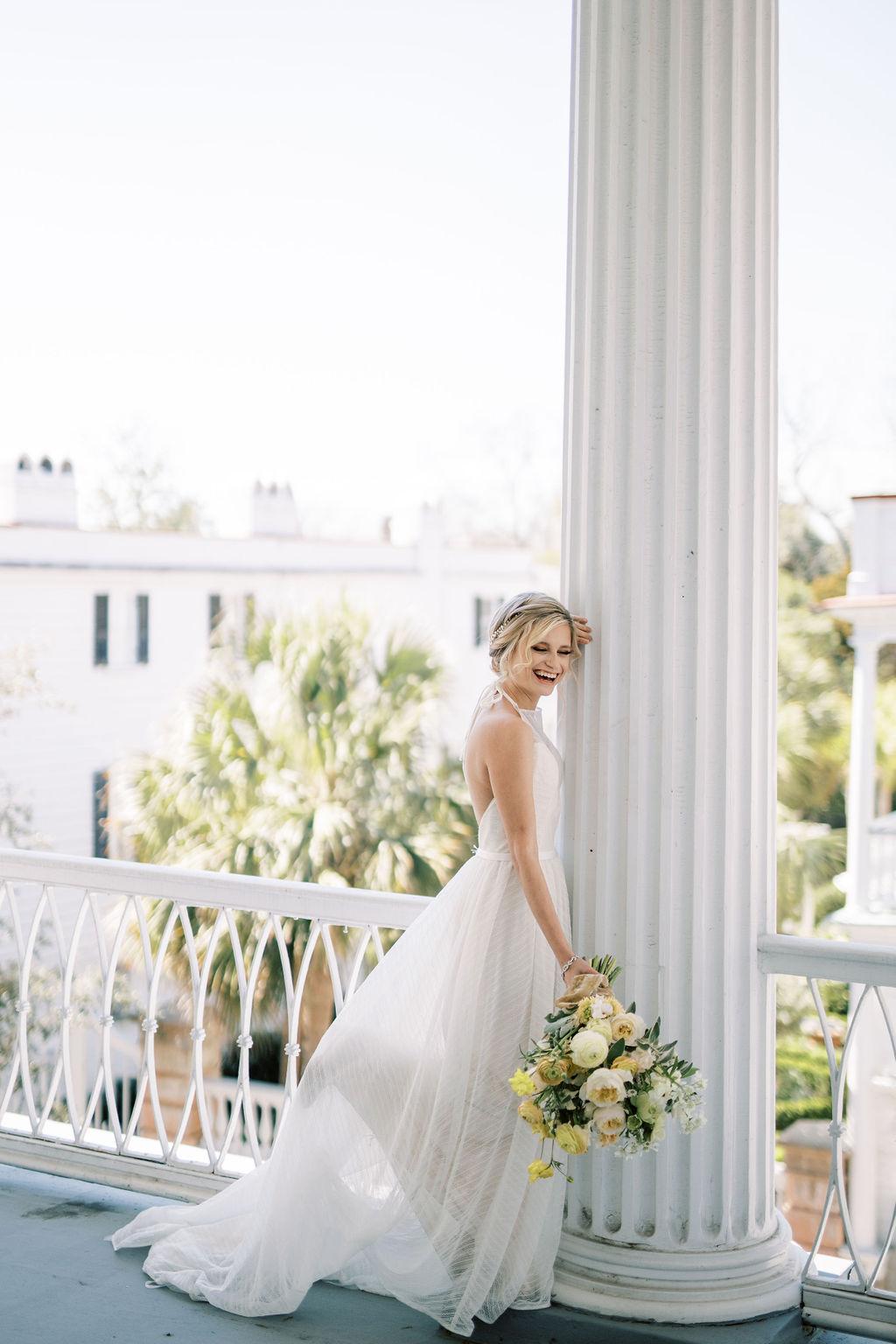
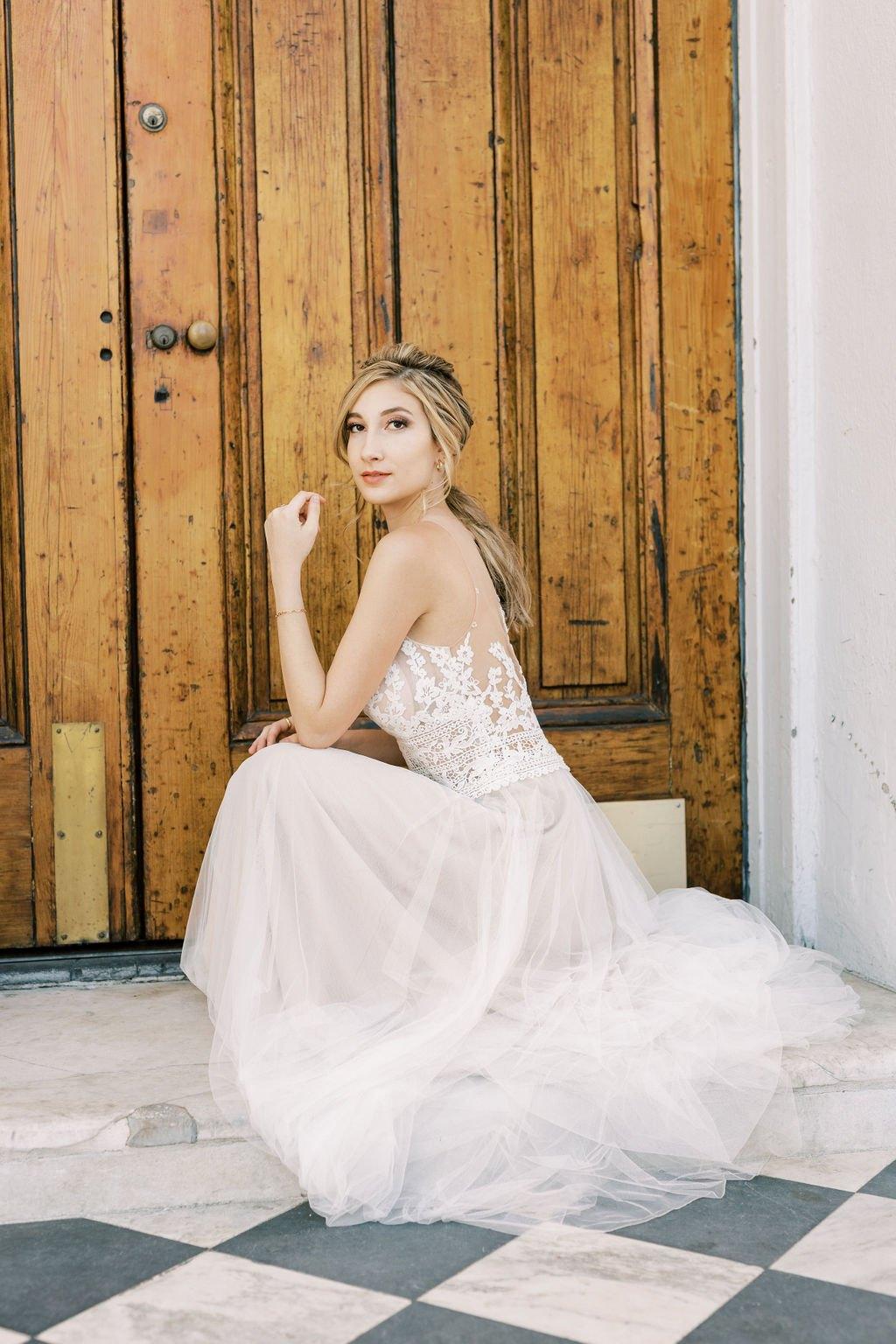
Outside the city, the plantations and clubs have the live oak avenues and the Spanish moss, and the barrier islands have the beach light. One practical note: cobblestones and heels are not friends. Bring a flat pair for the walk. The frames below are from an editorial I photographed downtown.
Dunes West, mount pleasant
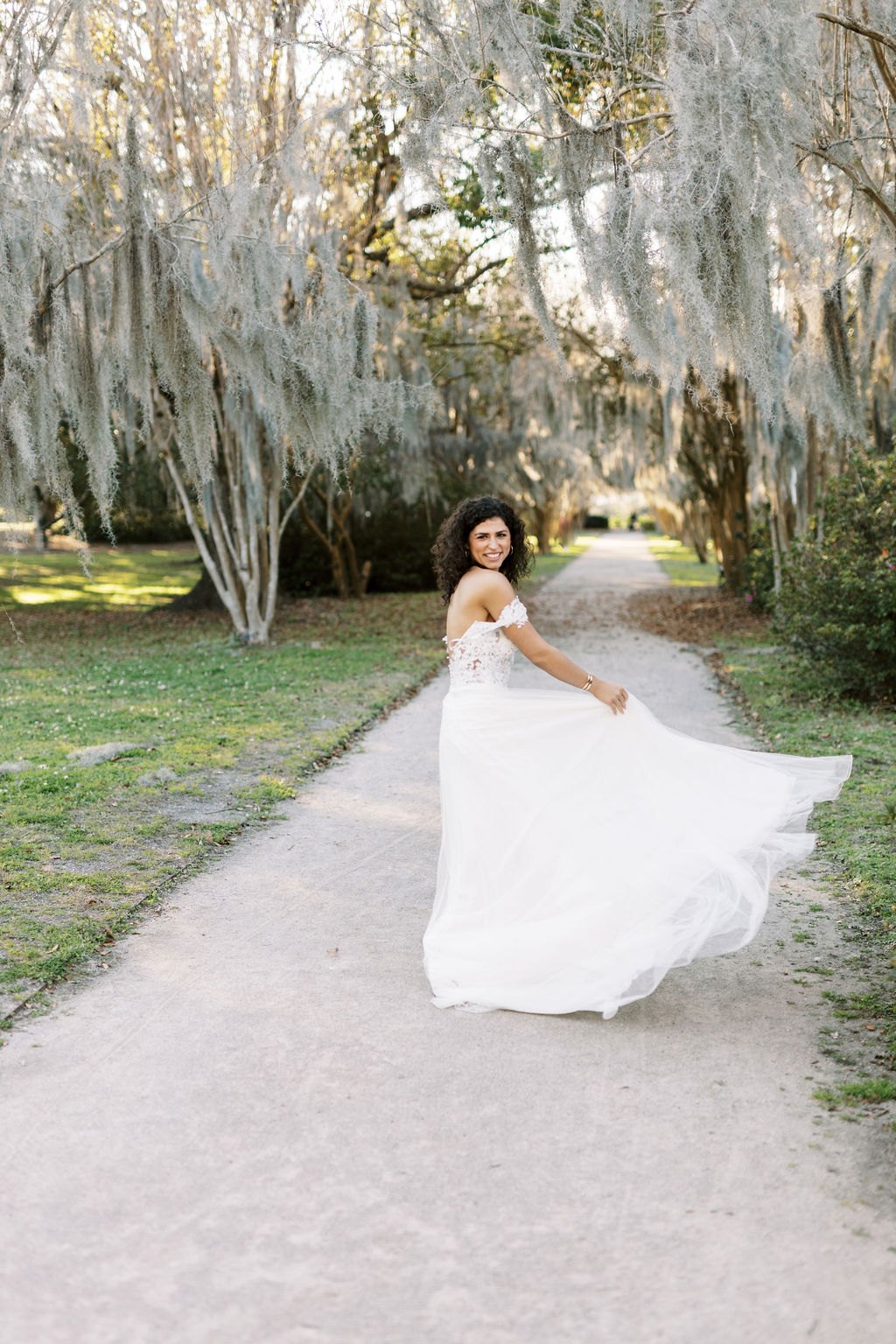
As lead photographer in the Charleston area, I’ve photographed a wedding at Dunes West Golf and River Club in Mount Pleasant, on the old Lexington Plantation grounds across the Cooper River from downtown. Club venues like it give you the live oaks and the marsh without the downtown crowds, and a clubhouse to fall back on when the weather turns.
Planning a destination weekend somewhere else? The destination page covers how travel works, and the full FAQ answers the rest.
Charleston Weddings
A few things
worth knowing
Who photographs editorial weddings in Charleston?
Christopher Cook is an editorial wedding photographer based in Park City, Utah, who travels to Charleston and the Lowcountry for weddings. He has photographed a wedding as lead at Dunes West Golf and River Club in Mount Pleasant, and an editorial across downtown Charleston. He photographs couples as two distinct people, covers the full weekend, and shoots film alongside digital.
Do you travel to Charleston for weddings?
Yes. I am based in Utah and travel to Charleston and the Lowcountry for weddings, arriving ahead of the events rather than the morning of. Travel and lodging are quoted per wedding and folded into your weekend, so you see what is included before you book and nothing lands on the invoice afterward.
Which Charleston venues have you photographed?
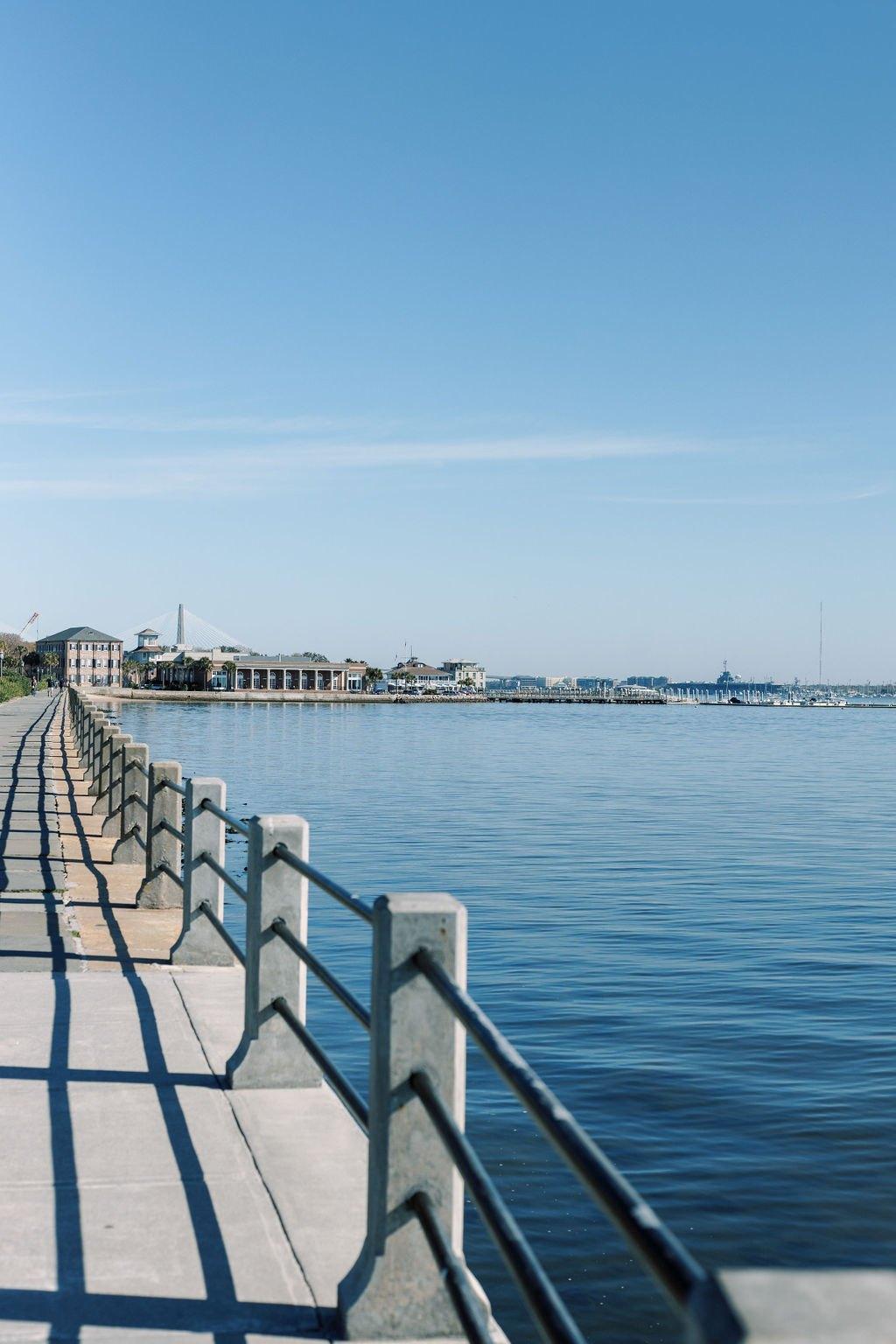
As lead photographer, Dunes West Golf and River Club in Mount Pleasant, on the old Lexington Plantation grounds. I have also photographed an editorial across downtown Charleston, among the piazzas, alleys and the harbor seawall. If your venue is new to me, I arrive early and learn the light before the day it counts.
How much does a Charleston wedding photographer cost?
My Wedding Weekends start at 6,500 and cover multiple days, from the welcome dinner through the morning-after brunch. Every weekend includes an engagement session, sneak peeks within a day, and the full gallery in about three weeks. Travel to Charleston is quoted up front and folded into the weekend.
When is the best time of year for a Charleston wedding?
Spring, March through May, and fall, October and November, are the seasons Charleston couples compete for: mild days, lower humidity and long, low light. Summer is hot and humid with short afternoon thunderstorms, and hurricane season runs June through November. Winter is cool, quiet and underrated, with low light all day and the downtown streets to yourselves.
What time should a Charleston wedding ceremony start?
Work back from sunset, which lands around 8:30 in late June and around 5:15 in early December. I plan it with your planner so the twenty minutes of portraits fall in the last soft hour of light and you are back at cocktail hour while it is still golden. In summer that usually means a later ceremony than couples expect.
Where are the best places for wedding portraits in downtown Charleston?
Rainbow Row, the Battery and White Point Garden, the cobblestones of Chalmers Street, and the narrow alleys and piazzas of the French Quarter are the classics, all within a short walk of each other. They are busy by midday, so go early or late. And bring flat shoes for the cobblestones.
What happens if it rains on our Charleston wedding day?
Summer storms in the Lowcountry usually blow through within the hour, so the plan is patience and a covered spot, not panic. I build some slack into the portrait plan with your planner, and a piazza, an arcade or a doorway makes a good place to wait. Wet streets and heavy skies photograph beautifully anyway.
Do you shoot film at Charleston weddings?
Yes. I shoot Fuji and Canon digital alongside medium-format film on Kodak Portra. Lowcountry light comes in soft and heavy through the live oaks, and film holds it better than anything else I have used.
How far in advance should we book a Charleston wedding photographer?
Most couples book twelve to eighteen months out. Spring and fall fill first in Charleston, since those are the seasons that dodge the summer heat. I take a small number of weddings a year, so reach out early. If your date is sooner, ask anyway.